
For contractors and builders
Kansas City Construction Dumpster Rental
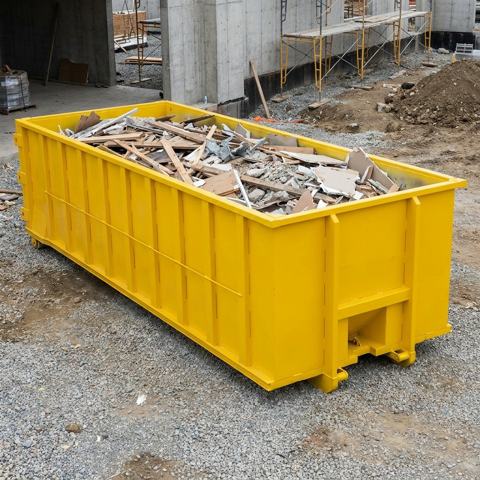
Running a job site in Kansas City? You need a dumpster that's empty on the day your crew fills it. We run 20 and 30-yard roll-offs and put swaps on your schedule, so nobody has to remember to call.
- 20 and 30-yard roll-offs
- Swaps on a schedule or on call
- One price per haul
Takes about two minutes.
Swaps when you need them
Weekly, on your busy days, or when you call.
20 and 30 yards
The two sizes that fit most construction and demo work.
For the whole build
A few weeks or the full project. Pickup moves with your schedule.
One price per haul
Delivery, pickup and the landfill fee are in it.
Price a construction dumpster in Kansas City
Tell us about the site, the phases and roughly how long you'll be there. You'll get a price per haul and a suggested swap plan back.
A couple of minutes
Your name, ZIP and a line about the job is enough for us to price it.
Confirmation straight away
You’ll see it on screen and in your inbox the moment it goes through.
No sales calls
We send the price. You decide if and when to book.
What most job sites run
Most sites run a 30-yard for framing scrap, drywall and packaging, with a 20 on tighter lots or smaller phases. Demolition and additions usually need the 30.
Heavy material is the exception. Concrete, block and dirt go in their own 10-yard, where the weight allowance fits the load. Throw them in the 30 and they eat up its weight limit before the box is half full.
Which size for which phase
Where we'd start on a typical Kansas City build.
| The phase | Usual size | Why |
|---|---|---|
| Demolition | 30 yard | Bulky, mixed debris fills a box fast. |
| Framing | 30 yard | Scrap and packaging take room more than weight. |
| Roofing | 15 or 20 yard | Shingles are heavy. Size by squares and layers. |
| Drywall and finish work | 20 or 30 yard | Depends on the size of the build. |
| Concrete, block or dirt | 10 yard | Heavy loads hit the weight limit first. |
| Final cleanup | 20 yard | The last haul before handover. |
Put the phases and rough dates on the form. We'll suggest a size and a swap schedule with the quote.
Paying a crew to wait on a truck
The dumpster itself is a small line on a job budget. What costs money is the morning your framers can't clear the deck because the box is full and the swap is still two days out.
We plan swaps around the phases that make the most waste, and we can pull a full box on short notice when the schedule shifts. Just keep the approach clear, because the truck needs to get back to the box every time.
Keep hazardous stuff out
Paint, solvents, oil, batteries, tires and asbestos can't go in.
Don't fill above the walls
An overfilled box has to be leveled off before it can be hauled.
Check street permits
If the box sits on a public street, many cities want one.
From quote to pickup
Tell us about the job
What's going in, where the box should sit and when you need it. It takes a couple of minutes.
We size it and price it
You get one price with the haul included. If a smaller box will do, we'll tell you.
We drop it off and pick it up
Boards under the rails if you want them. Swap it partway through, or keep it until the work is done.
Construction Dumpster questions
Don’t see yours? Put it in the notes on the form and we’ll answer it with your quote.
What size dumpster do I need for construction?
Can you swap the dumpster on a schedule?
Can I keep a construction dumpster for the whole project?
What can't go in a construction dumpster?
How much does a construction dumpster cost in Kansas City?
Other sizes and services
An empty box when the crew needs one
Send us the site and the schedule. We'll set up the swaps so your crew is never waiting on a dumpster.